Buy kundendienst.eu ?
We are moving the project
kundendienst.eu .
Are you interested in purchasing the domain
kundendienst.eu ?
domain@kv-gmbh.de · 0541-91531010
Buy kundendienst.eu ?
Do medications help you?
As an AI, I do not have personal experiences or feelings, so I do not take medications. However, for many people, medications can be helpful in managing various health conditions such as depression, anxiety, high blood pressure, and diabetes. It's important for individuals to work with their healthcare providers to find the right medications and dosages that work best for them. Medications can be an important part of a comprehensive treatment plan for many people. **
Which medications help with tinnitus?
There is currently no specific medication that is universally effective in treating tinnitus. However, some medications such as certain antidepressants, antianxiety drugs, and even some nutritional supplements like ginkgo biloba may help alleviate symptoms for some individuals. It is important to consult with a healthcare provider to determine the best course of treatment for tinnitus based on individual circumstances. Additionally, managing underlying conditions that may be contributing to tinnitus, such as hearing loss or high blood pressure, can also help reduce symptoms. **

Similar search terms for Medications
Top-Angebote
Products related to Medications:
-
Modern Reception Desk, Retail Checkout Desk for Cashier Counter, Salon, Office And Customer Service Front DeskThis modern reception desk combines sleek design with practical storage, making it an ideal centerpiece for any office, retail store, or hotel lobby.263,99 $*Shipping: 0,00 $Secure redirect to the provider
-
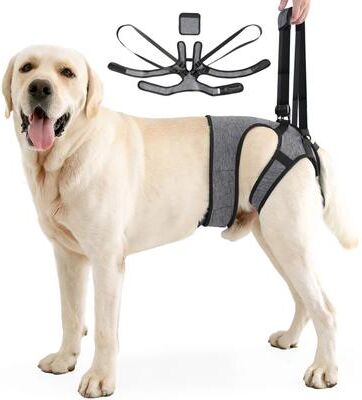
Inspire Select Dog Lift Support Harness Adjustable Rear Leg Support Sling For Mobility Assistance gray lHelp your furry companion move with greater comfort and confidence using this supportive dog lift harness. Designed to provide reliable assistance for pets with mobility challenges, this dog support sling helps reduce strain while walking, climbing...157,95 $*Shipping: 0,00 $Secure redirect to the provider
-
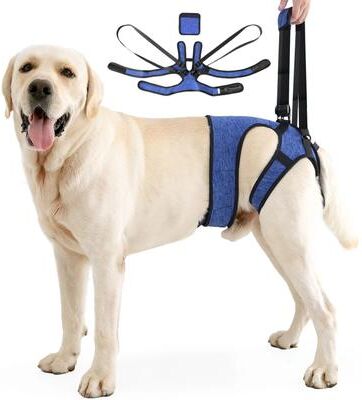
Inspire Select Dog Lift Support Harness Adjustable Rear Leg Support Sling For Mobility Assistance blue xlHelp your furry companion move with greater comfort and confidence using this supportive dog lift harness. Designed to provide reliable assistance for pets with mobility challenges, this dog support sling helps reduce strain while walking, climbing...90,98 $*Shipping: 0,00 $Secure redirect to the provider
-
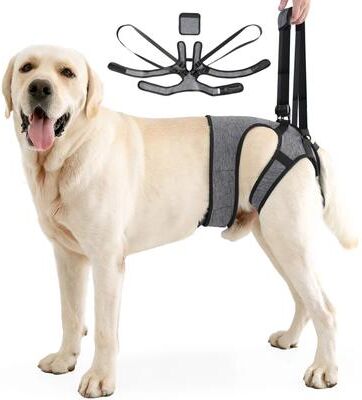
Inspire Select Dog Lift Support Harness Adjustable Rear Leg Support Sling For Mobility Assistance gray mHelp your furry companion move with greater comfort and confidence using this supportive dog lift harness. Designed to provide reliable assistance for pets with mobility challenges, this dog support sling helps reduce strain while walking, climbing...148,95 $*Shipping: 0,00 $Secure redirect to the provider



-
Which medications help with neuropathy?
Medications commonly used to help manage neuropathy include over-the-counter pain relievers such as acetaminophen and nonsteroidal anti-inflammatory drugs (NSAIDs) like ibuprofen. Prescription medications such as gabapentin, pregabalin, and duloxetine are also commonly prescribed to help alleviate neuropathic pain. In some cases, antidepressants like amitriptyline or nortriptyline may be prescribed to help manage neuropathy symptoms. It is important to consult with a healthcare provider to determine the most appropriate medication for individual needs and to discuss potential side effects. **
-
Which medications help with bad mood?
There are several medications that can help improve bad mood, including antidepressants such as selective serotonin reuptake inhibitors (SSRIs) like Prozac or Zoloft, serotonin-norepinephrine reuptake inhibitors (SNRIs) like Cymbalta or Effexor, and tricyclic antidepressants like Elavil. Other medications that can be prescribed for mood stabilization include mood stabilizers like lithium or antipsychotics like Abilify. It is important to consult with a healthcare provider to determine the most appropriate medication based on individual symptoms and needs. **
-
Which medications help with autistic meltdowns?
There is no specific medication that is universally recommended for managing autistic meltdowns. However, some individuals with autism may benefit from medications such as antipsychotics, antidepressants, or mood stabilizers to help manage symptoms that can contribute to meltdowns, such as anxiety, aggression, or irritability. It is important for individuals with autism to work closely with their healthcare provider to determine the most appropriate treatment plan for their specific needs. Behavioral interventions and therapy are also important components of managing meltdowns in individuals with autism. **
-
Which medications help with test anxiety?
There are several medications that can help with test anxiety, including beta-blockers, benzodiazepines, and certain antidepressants. Beta-blockers can help reduce the physical symptoms of anxiety, such as rapid heart rate and trembling. Benzodiazepines can help calm the mind and reduce feelings of anxiety, but they can be habit-forming and are typically only used for short-term relief. Certain antidepressants, such as selective serotonin reuptake inhibitors (SSRIs), can also be prescribed to help manage test anxiety by regulating neurotransmitters in the brain. It's important to consult with a healthcare professional to determine the best medication option for individual needs. **

Which medications help with menstrual cramps?
There are several medications that can help with menstrual cramps. Nonsteroidal anti-inflammatory drugs (NSAIDs) such as ibuprofen and naproxen can help reduce pain and inflammation. Acetaminophen can also be effective in relieving menstrual cramps. Additionally, hormonal birth control methods such as birth control pills, patches, or rings can help regulate menstrual cycles and reduce the severity of cramps. It's important to consult with a healthcare provider to determine the best medication for individual needs and to discuss any potential side effects or interactions. **
Which medications help against bad mood?
There are several medications that can help improve bad mood, including antidepressants such as selective serotonin reuptake inhibitors (SSRIs) and serotonin-norepinephrine reuptake inhibitors (SNRIs). These medications work by increasing the levels of certain neurotransmitters in the brain, which can help regulate mood. Other medications, such as mood stabilizers and antipsychotics, may also be prescribed to help manage mood disorders such as bipolar disorder. It's important to consult with a healthcare professional to determine the most appropriate medication for individual needs. **
Top-Angebote
Products related to Medications:
-
Modern Reception Desk, Retail Checkout Desk for Cashier Counter, Salon, Office And Customer Service Front DeskThis modern reception desk combines sleek design with practical storage, making it an ideal centerpiece for any office, retail store, or hotel lobby.263,99 $*Shipping: 0,00 $Secure redirect to the provider
-
Inspire Select Dog Lift Support Harness Adjustable Rear Leg Support Sling For Mobility Assistance blue mHelp your furry companion move with greater comfort and confidence using this supportive dog lift harness. Designed to provide reliable assistance for pets with mobility challenges, this dog support sling helps reduce strain while walking, climbing...148,95 $*Shipping: 0,00 $Secure redirect to the provider
-
Modern Reception Desk, Retail Checkout Desk for Cashier Counter, Salon, Office And Customer Service Front DeskThis modern reception desk combines sleek design with practical storage, making it an ideal centerpiece for any office, retail store, or hotel lobby.263,99 $*Shipping: 0,00 $Secure redirect to the provider
-
Inspire Select Dog Lift Support Harness Adjustable Rear Leg Support Sling For Mobility Assistance gray lHelp your furry companion move with greater comfort and confidence using this supportive dog lift harness. Designed to provide reliable assistance for pets with mobility challenges, this dog support sling helps reduce strain while walking, climbing...157,95 $*Shipping: 0,00 $Secure redirect to the provider
-
Do medications help you?
As an AI, I do not have personal experiences or feelings, so I do not take medications. However, for many people, medications can be helpful in managing various health conditions such as depression, anxiety, high blood pressure, and diabetes. It's important for individuals to work with their healthcare providers to find the right medications and dosages that work best for them. Medications can be an important part of a comprehensive treatment plan for many people. **
-
Which medications help with tinnitus?
There is currently no specific medication that is universally effective in treating tinnitus. However, some medications such as certain antidepressants, antianxiety drugs, and even some nutritional supplements like ginkgo biloba may help alleviate symptoms for some individuals. It is important to consult with a healthcare provider to determine the best course of treatment for tinnitus based on individual circumstances. Additionally, managing underlying conditions that may be contributing to tinnitus, such as hearing loss or high blood pressure, can also help reduce symptoms. **
-
Which medications help with neuropathy?
Medications commonly used to help manage neuropathy include over-the-counter pain relievers such as acetaminophen and nonsteroidal anti-inflammatory drugs (NSAIDs) like ibuprofen. Prescription medications such as gabapentin, pregabalin, and duloxetine are also commonly prescribed to help alleviate neuropathic pain. In some cases, antidepressants like amitriptyline or nortriptyline may be prescribed to help manage neuropathy symptoms. It is important to consult with a healthcare provider to determine the most appropriate medication for individual needs and to discuss potential side effects. **
-
Which medications help with bad mood?
There are several medications that can help improve bad mood, including antidepressants such as selective serotonin reuptake inhibitors (SSRIs) like Prozac or Zoloft, serotonin-norepinephrine reuptake inhibitors (SNRIs) like Cymbalta or Effexor, and tricyclic antidepressants like Elavil. Other medications that can be prescribed for mood stabilization include mood stabilizers like lithium or antipsychotics like Abilify. It is important to consult with a healthcare provider to determine the most appropriate medication based on individual symptoms and needs. **
Similar search terms for Medications
-
Inspire Select Dog Lift Support Harness Adjustable Rear Leg Support Sling For Mobility Assistance blue xlHelp your furry companion move with greater comfort and confidence using this supportive dog lift harness. Designed to provide reliable assistance for pets with mobility challenges, this dog support sling helps reduce strain while walking, climbing...90,98 $*Shipping: 0,00 $Secure redirect to the provider
-
Inspire Select Dog Lift Support Harness Adjustable Rear Leg Support Sling For Mobility Assistance gray mHelp your furry companion move with greater comfort and confidence using this supportive dog lift harness. Designed to provide reliable assistance for pets with mobility challenges, this dog support sling helps reduce strain while walking, climbing...148,95 $*Shipping: 0,00 $Secure redirect to the provider
-
Inspire Select Dog Lift Support Harness Adjustable Rear Leg Support Sling For Mobility Assistance gray xlHelp your furry companion move with greater comfort and confidence using this supportive dog lift harness. Designed to provide reliable assistance for pets with mobility challenges, this dog support sling helps reduce strain while walking, climbing...90,98 $*Shipping: 0,00 $Secure redirect to the provider
-
Inspire Select Dog Lift Support Harness Adjustable Rear Leg Support Sling For Mobility Assistance blue sHelp your furry companion move with greater comfort and confidence using this supportive dog lift harness. Designed to provide reliable assistance for pets with mobility challenges, this dog support sling helps reduce strain while walking, climbing...138,99 $*Shipping: 0,00 $Secure redirect to the provider
-
Which medications help with autistic meltdowns?
There is no specific medication that is universally recommended for managing autistic meltdowns. However, some individuals with autism may benefit from medications such as antipsychotics, antidepressants, or mood stabilizers to help manage symptoms that can contribute to meltdowns, such as anxiety, aggression, or irritability. It is important for individuals with autism to work closely with their healthcare provider to determine the most appropriate treatment plan for their specific needs. Behavioral interventions and therapy are also important components of managing meltdowns in individuals with autism. **
-
Which medications help with test anxiety?
There are several medications that can help with test anxiety, including beta-blockers, benzodiazepines, and certain antidepressants. Beta-blockers can help reduce the physical symptoms of anxiety, such as rapid heart rate and trembling. Benzodiazepines can help calm the mind and reduce feelings of anxiety, but they can be habit-forming and are typically only used for short-term relief. Certain antidepressants, such as selective serotonin reuptake inhibitors (SSRIs), can also be prescribed to help manage test anxiety by regulating neurotransmitters in the brain. It's important to consult with a healthcare professional to determine the best medication option for individual needs. **
-
Which medications help with menstrual cramps?
There are several medications that can help with menstrual cramps. Nonsteroidal anti-inflammatory drugs (NSAIDs) such as ibuprofen and naproxen can help reduce pain and inflammation. Acetaminophen can also be effective in relieving menstrual cramps. Additionally, hormonal birth control methods such as birth control pills, patches, or rings can help regulate menstrual cycles and reduce the severity of cramps. It's important to consult with a healthcare provider to determine the best medication for individual needs and to discuss any potential side effects or interactions. **
-
Which medications help against bad mood?
There are several medications that can help improve bad mood, including antidepressants such as selective serotonin reuptake inhibitors (SSRIs) and serotonin-norepinephrine reuptake inhibitors (SNRIs). These medications work by increasing the levels of certain neurotransmitters in the brain, which can help regulate mood. Other medications, such as mood stabilizers and antipsychotics, may also be prescribed to help manage mood disorders such as bipolar disorder. It's important to consult with a healthcare professional to determine the most appropriate medication for individual needs. **
* All prices are inclusive of VAT and, if applicable, plus shipping costs. The offer information is based on the details provided by the respective shop and is updated through automated processes. Real-time updates do not occur, so deviations can occur in individual cases. ** Note: Parts of this content were created by AI.